


Feel free to press play for some music while you read, or enjoy some silence 😌
When I write, I crave wordless music - sounds that help me find my own words. It’s like I’m being given space that isn’t too spacious, and just enough of a journey without being told where to go. The music carries me along, but somehow I’m manning the helm to reach my own destination.
It’s become a bit of a ritual. I can write in silence, but I’ve noticed that every single one of these Substack posts has had the same music fuel.
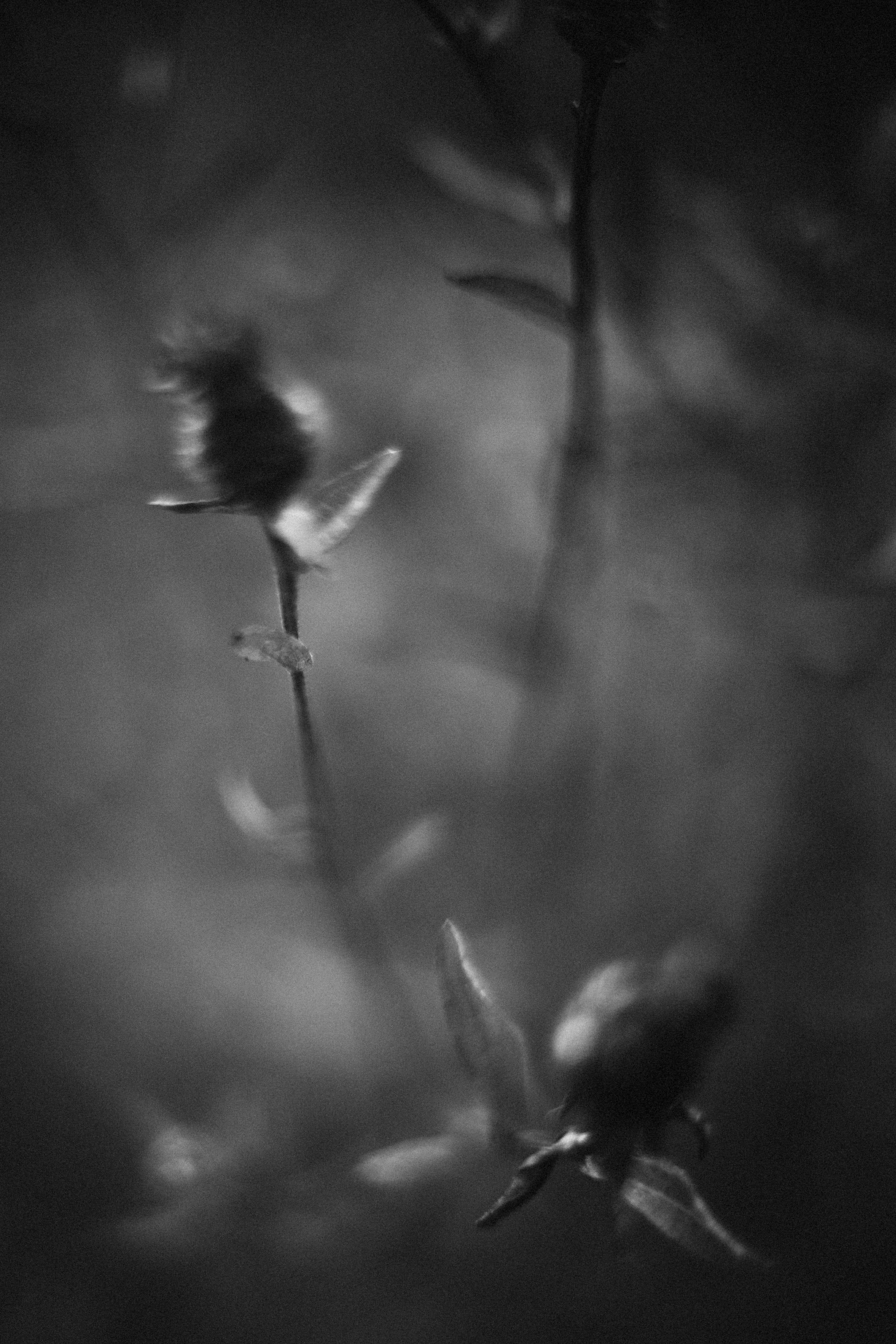
Brian Eno - an obvious go-to for ambient music, and who I’m listening to while I write this - spoke about the time he’d stopped including lyrics in his music:
“I just don't want to hear them most of the time. They always impose something that is so unmysterious compared to the sound of the music [that] they debase the music for me, in most cases.” - Brian Eno.
My aversion to lyrics doesn’t just happen when I need space to think, it’s also when they’re far too literal; when I feel like I’m being spoon-fed a story and asked to turn my imagination off.
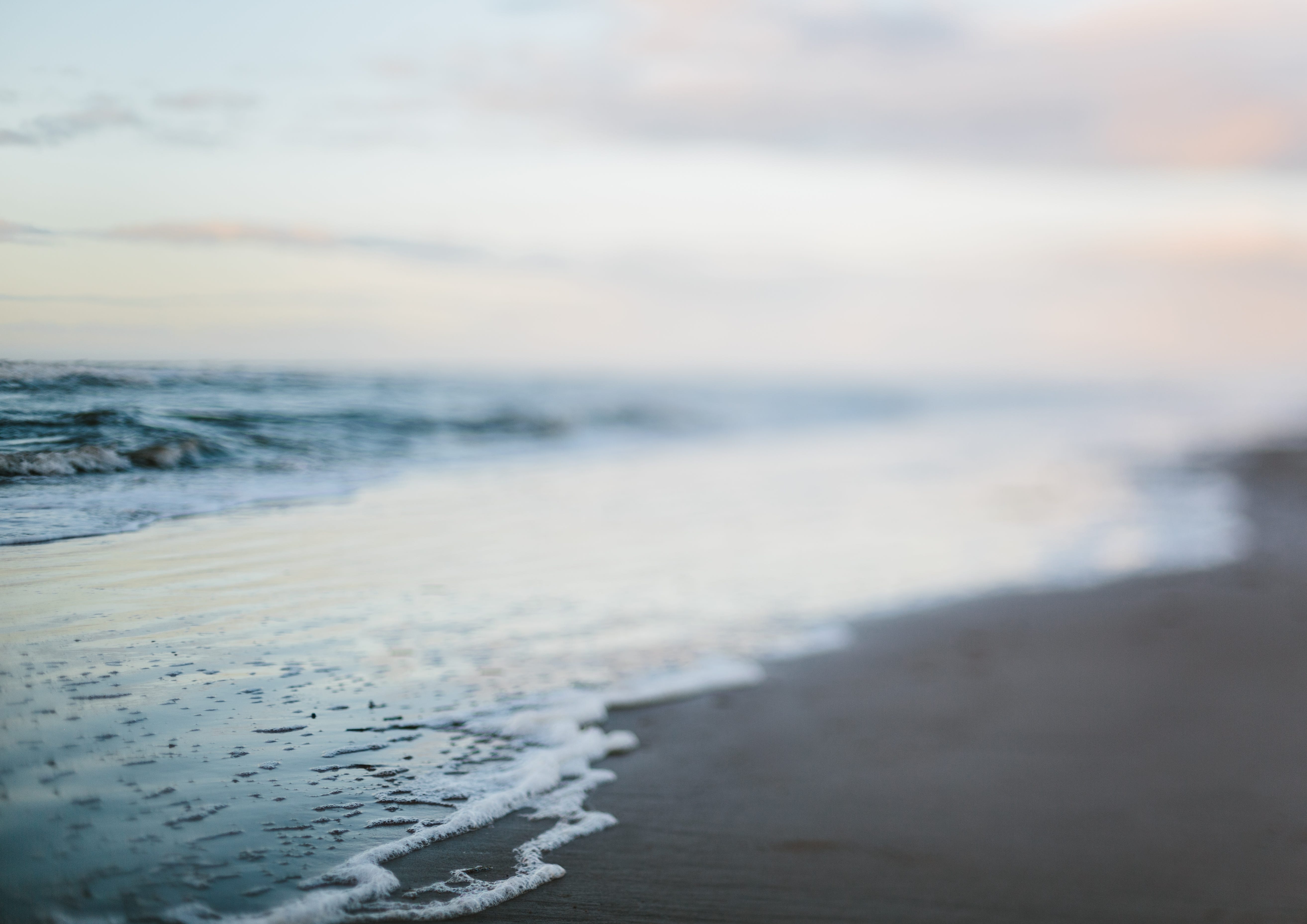
What I often crave in music is similar to what I hope to give people in some of my photography - space to decide and feel for themselves. Lately, I’ve realised how much I value removing obvious context from some of my work; I intentionally don’t include location tags in some photos on Instagram. Aside from the need for privacy online, I simply don’t want to pull people into a picture, only to shake them awake seconds later with a compass in their hands.
I want people to expand the frame and decide for themselves what’s beyond those four corners. To explore their own connection or hazy memory that might not appear if I was to always share my own.
Sometimes we don’t need to be put on the map. And especially not by someone else.
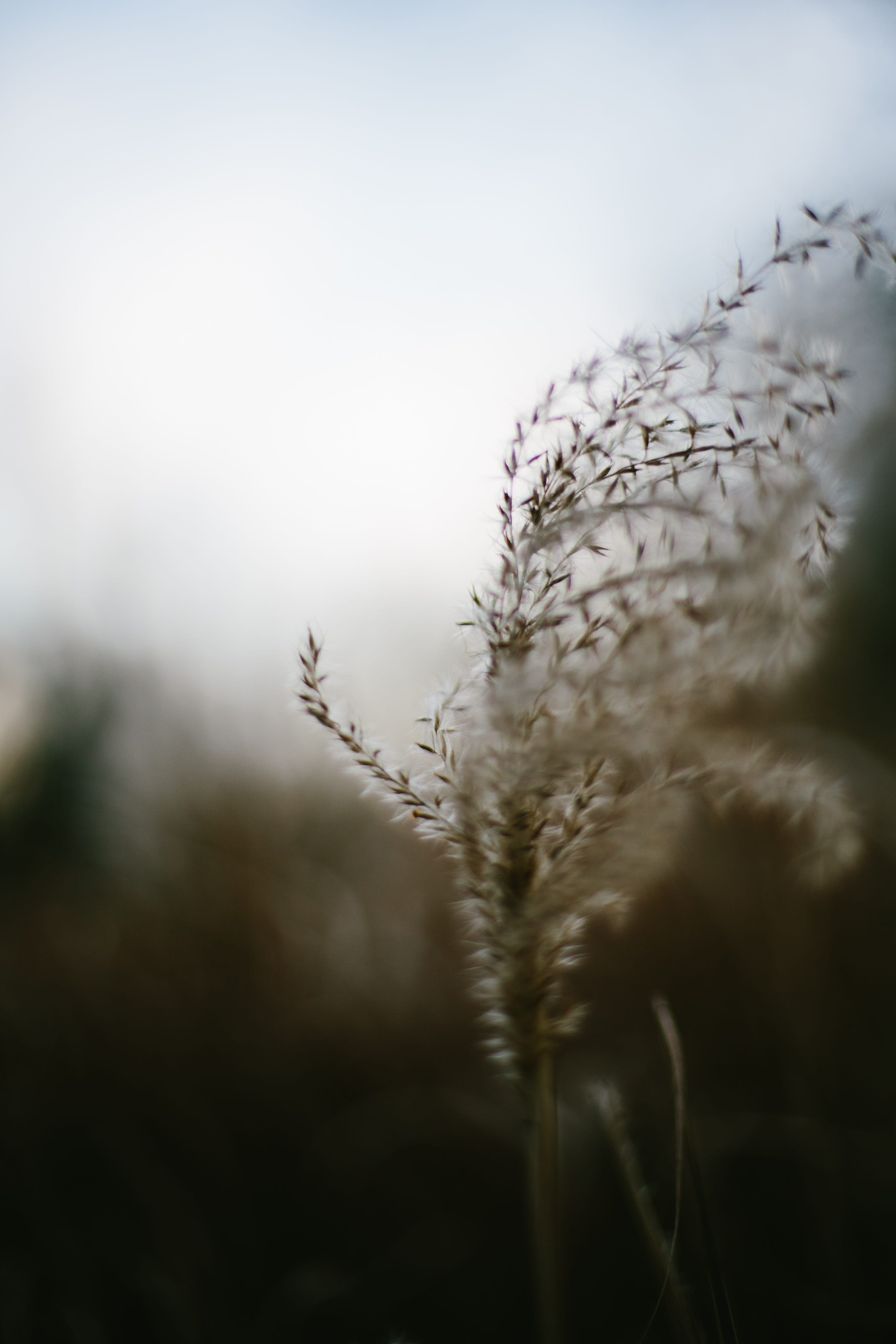
There’s a photography technique that feels a bit like the visual equivalent of music without words. ‘Freelensing’ is the act of taking photos with the lens detached; you’re finding the focus manually by tilting the lens while it’s close to the camera body. Why? To create differently…to make dreamy abstract images…to break the rules (and to rile up the purist photography community of course! 😉).
It offers me creative relief in the moments when I find myself stuck. It frees me up (I guess the clue is in the name). It also shifts context for me, too - it nudges me to see with fresh eyes a place I thought I couldn’t see any differently.
There’s still practice involved in creating a photo that doesn’t end up looking like a blurry, overexposed mess, and at the same time, there is still an element of surprise in the result. The perfect mix of control and surrender to the creative process.
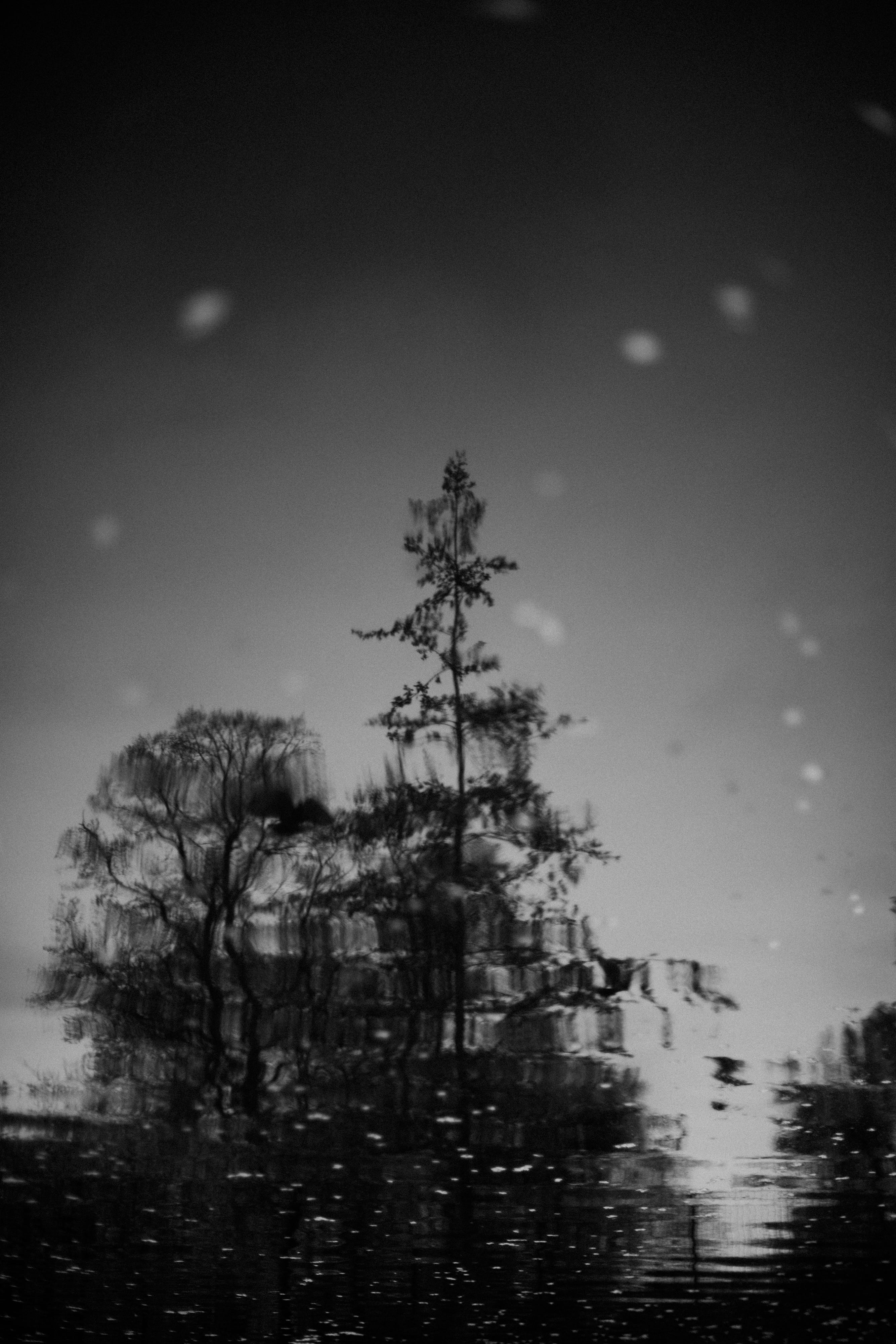
My memories become hazy, too - I know where I was when I took the above image, but so much of what is actually in front of me is altered by freelensing that it feels as though I’m looking back at a moment that didn’t exist. If I were to expand the frame and show you exactly where I was when I took some of these photos, I think you’d be surprised. And that’s what I adore about creating in this way - new worlds are formed. Or worlds we can’t always see.

Huge Eno fan here, so I can relate. Which is your favourite piece of work by Eno? Have to admit I have never tried freelensing. I think I was always too worried about particles getting onto my sensor!
Great post dear Katy! Thank you for reminding me the freelensing method!❤️ I also listen to the nonlyric music while writing, and I have found out lately, that I need it also when I am editing photos. I need to “think” visualy and lyrics disturb me.😁 Thank you also for Eno, I will try it. I usually listen to piano or to Emancipator…and various ambient sounds I can find on Calm app. Enjoy your days!😘